Introduction
The world is rapidly shifting from a traditional financial system to a fully digital economy — one powered by blockchain, Web3, and cryptocurrencies.
In 2025, digital money isn’t just a trend — it’s the foundation of how people trade, invest, and interact online.
From decentralized finance (DeFi) and smart contracts to digital IDs and NFT marketplaces, the future of money is transparent, borderless, and user-controlled.
This article explores how blockchain technology and Web3 innovations are transforming the global economy in 2025.
1. Understanding the Digital Economy
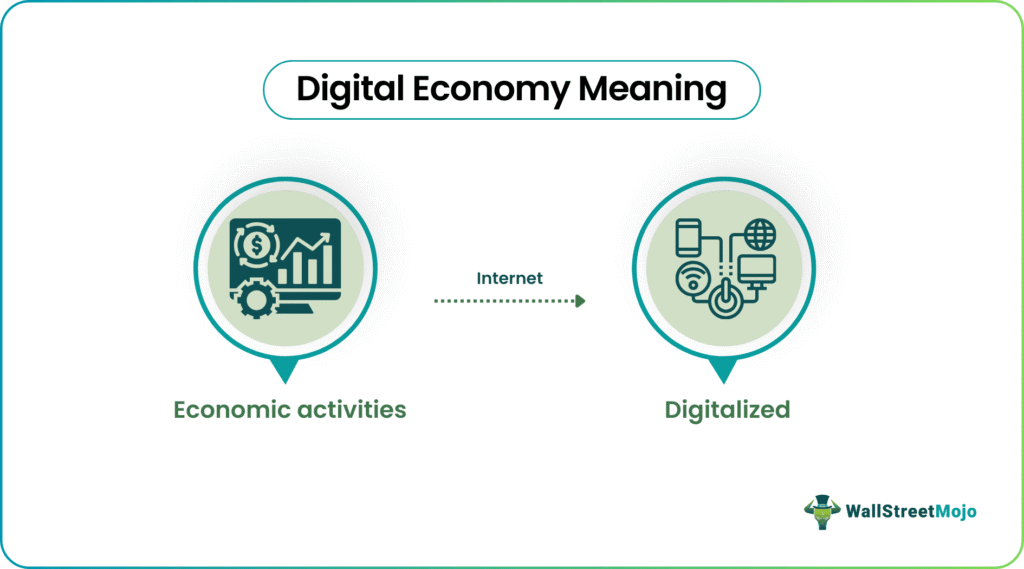
The digital economy refers to all economic activities powered by digital technologies such as the internet, data, and blockchain.
Unlike the traditional economy — which relies on banks, intermediaries, and governments — the digital economy runs on decentralized systems. The Rise of Digital Economy: Blockchain, Web3, and Cryptocurrency Trends 2025
In 2025, most global transactions are happening online, powered by:
2. Blockchain: The Backbone of Trust
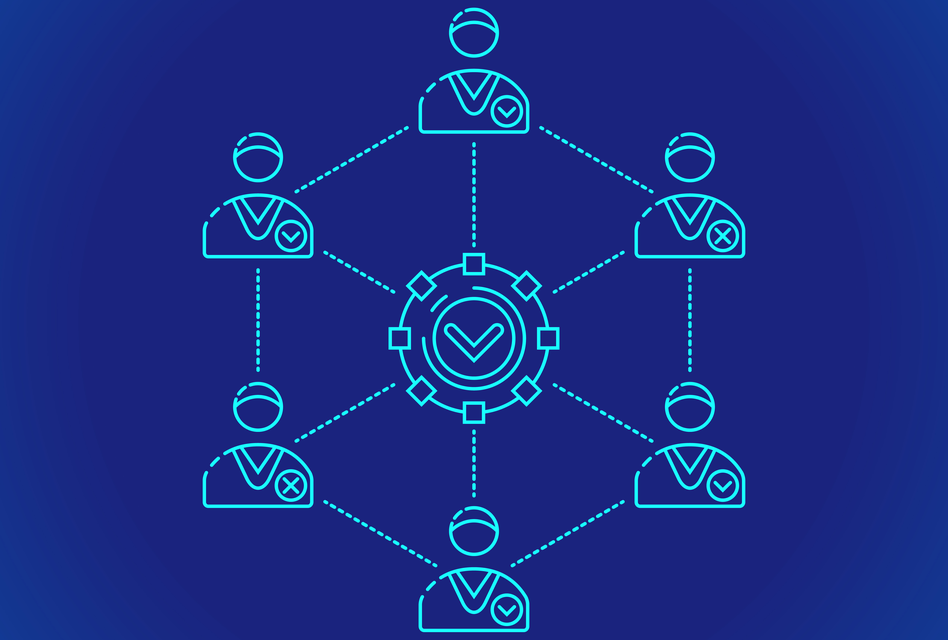
Blockchain technology is the digital backbone of the new economy.
It’s a distributed digital ledger that records every transaction securely and transparently — with no central authority controlling it. Unlike the traditional economy — which relies on banks, intermediaries, and governments — the digital economy runs on decentralized systems. The Rise of Digital Economy: Blockchain, Web3, and Cryptocurrency Trends 2025
🔹 Key Benefits of Blockchain:
- Transparency: Every transaction is visible on the public ledger.
- Security: Cryptographic encryption makes data tamper-proof.
- Speed: Instant, borderless payments without third-party delays.
- Cost Efficiency: No middlemen means lower transaction fees.
3. Web3: The Next Generation of the Internet
If Web 1.0 was about reading, and Web 2.0 was about social interaction — Web3 is about ownership.
It’s a decentralized version of the internet that gives users control over their data, content, and identity.
🌍 Key Web3 Features:
- Decentralized Apps (DApps): No central servers; users control data.
- Smart Contracts: Self-executing digital agreements.
- Tokenization: Turning assets (art, music, property) into tradable tokens.
- Digital Identity: Users own and manage their personal information.
4. The Boom of Cryptocurrencies in 2025
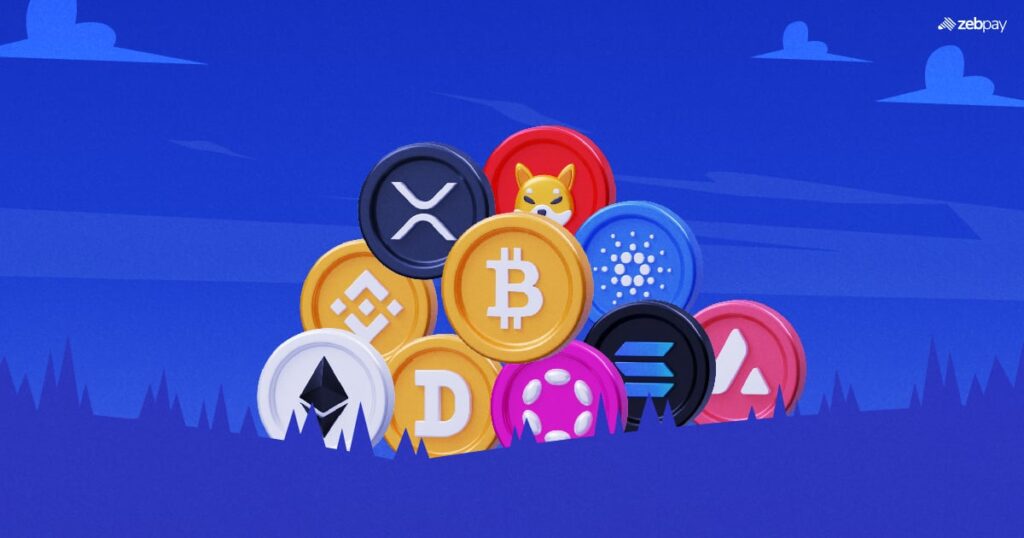
Cryptocurrencies are the lifeblood of the digital economy.
In 2025, digital currencies are not just for investors — they’re used for daily purchases, online payments, and cross-border trade.
🚀 Top Crypto Trends in 2025:
- Stablecoins like USDT and USDC are replacing traditional bank transfers.
- Central Bank Digital Currencies (CBDCs) are being launched by many nations.
- Bitcoin ETFs are making crypto investments mainstream.
- Green cryptocurrencies are emerging to reduce blockchain energy usage.
5. Decentralized Finance (DeFi): The Future of Banking
DeFi eliminates banks and replaces them with smart contracts that automate lending, borrowing, and investing.
This means anyone with an internet connection can access global financial services.
6. NFTs and the Creator Economy
Non-Fungible Tokens (NFTs) continue to dominate the digital art and entertainment world.
They allow artists, gamers, and musicians to sell unique digital assets directly to fans.
🎨 NFT Trends in 2025:
- Real-world assets (RWA) like property and cars are being tokenized.
- Gaming NFTs allow players to own and trade in-game items.
- Music NFTs help artists earn royalties instantly.
7. AI + Blockchain: A Smart Digital Economy
Artificial Intelligence (AI) and blockchain are merging to create intelligent, automated digital systems.
- AI analyzes blockchain data to detect fraud and optimize transactions.
- Blockchain provides AI systems with transparent and verified datasets.
8. Cybersecurity and Privacy in the Web3 Era
As the digital economy expands, protecting users’ data and assets becomes crucial.
Blockchain enhances security by encrypting transactions and making hacking nearly impossible.
🔒 Privacy Innovations in 2025:
- Zero-Knowledge Proofs (ZKPs): Allow users to verify information without revealing details.
- Decentralized IDs (DIDs): Users own and control their personal data.
- Quantum-Resistant Blockchains: Protect against future quantum computing threats.
9. Governments and Regulation
Global governments are adapting to the digital economy by introducing clear regulations.
Instead of banning crypto, they’re creating frameworks to protect users and encourage innovation.
⚖️ 2025 Regulatory Trends:
- Legal recognition of smart contracts.
- Licensing for crypto exchanges and DeFi platforms.
- Tax rules for NFT and digital asset income.
10. The Future of the Digital Economy
By 2025 and beyond, the digital economy will become the new normal.
Physical cash will continue to fade as digital payments, Web3 platforms, and tokenized assets dominate.
Conclusion
The rise of the digital economy marks a revolution in how we earn, trade, and connect.
In 2025, blockchain, Web3, and cryptocurrencies are building a trust-based global system — free from old barriers and corruption.
Those who embrace it today will lead the innovations of tomorrow.
The future is digital. The economy is decentralized. And the revolution has already begun.