Introduction
The year 2025 marks a new era in human innovation. Technology has evolved beyond convenience—it’s transforming the way we live, work, and communicate. From artificial intelligence to quantum computing, the digital revolution of 2025 is faster, smarter, and more sustainable than ever before. Let’s explore the top 10 emerging technologies that are shaping the world right now.
1. Artificial Intelligence (AI) and Machine Learning
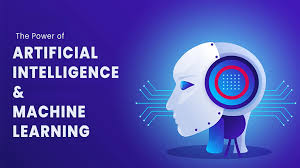
AI has become the foundation of modern innovation. It powers smart assistants, self-driving cars, personalized healthcare, and automated customer support. The year 2025 marks a new era in human innovation. Technology has evolved beyond convenience—it’s transforming the way we live,
In 2025, AI systems are capable of learning human emotions and decision-making, making them essential in business, education, and healthcare.
💡 Example: AI-powered robots now perform complex surgeries with 99% accuracy.
2. Quantum Computing

Quantum computers use qubits to perform complex calculations in seconds—something classical computers would take centuries to do.
In 2025, major tech companies like IBM and Google are leading the race toward quantum supremacy, revolutionizing fields like drug discovery, The year 2025 marks a new era in human innovation. Technology has evolved beyond convenience—it’s transforming the way we live, climate modeling, and cybersecurity.
💡 Example: Quantum computing is now used to simulate molecules for developing new medicines.
3. 5G and 6G Connectivity
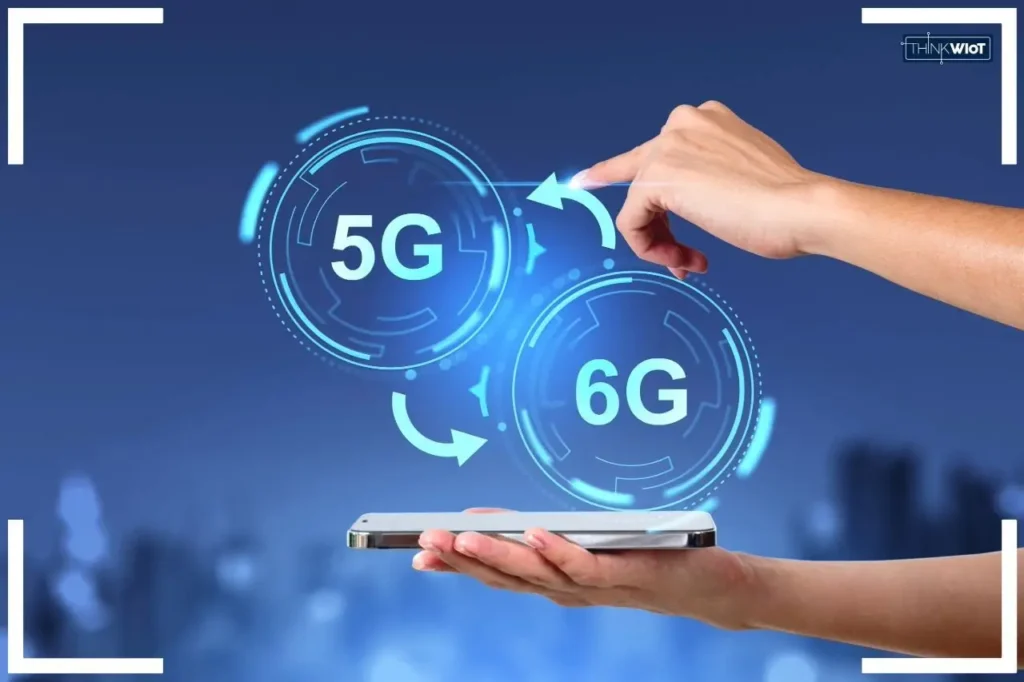
5G networks are expanding worldwide, offering ultra-fast internet speeds and near-zero latency.
By late 2025, the groundwork for 6G networks is already underway, promising speeds 100× faster than 5G. This connectivity powers smart cities, IoT devices, and real-time augmented reality.
💡 Example: 5G enables surgeons to perform remote operations through robotic systems.
4. Internet of Things (IoT)
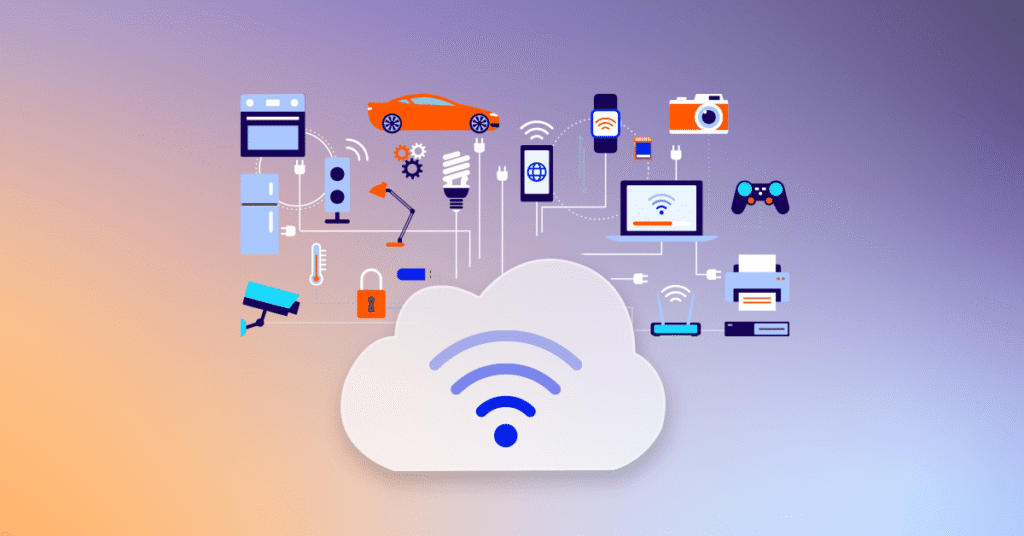
The Internet of Things connects devices, homes, and cities through smart sensors and automation.
In 2025, IoT is everywhere — controlling traffic lights, managing electricity usage, and monitoring healthcare data in real time.
💡 Example: Smart homes adjust lighting, temperature, and energy use automatically based on your preferences.
5. Biotechnology and Genetic Engineering
Biotechnology is transforming medicine, agriculture, and even human evolution.
Gene-editing tools like CRISPR are curing genetic diseases, while lab-grown organs and meat are becoming mainstream.
💡 Example: Scientists have created synthetic organs that can be transplanted without rejection.
6. Renewable Energy and Green Tech
Sustainability is a top priority in 2025. Solar panels, wind turbines, and hydrogen power systems are now cheaper and more efficient.
Companies are investing in carbon-neutral technologies to fight climate change and achieve global energy independence.
💡 Example: Solar-powered cities are reducing global emissions by 40%.
7. Autonomous Vehicles and Flying Cars
The future of transportation is electric, driverless, and airborne.
In 2025, self-driving taxis and drones are operating in major cities, and prototypes of flying cars are being tested for public use.
💡 Example: Dubai and Singapore are leading in air taxi technology.
8. Extended Reality (XR): AR, VR, and Metaverse
Extended Reality (XR) combines Augmented Reality (AR) and Virtual Reality (VR) to create immersive digital experiences.
In 2025, XR is used for education, training, virtual tourism, and entertainment through platforms like Meta Horizon and Apple Vision Pro.
💡 Example: Students attend virtual classrooms using VR headsets in real time.
9. Blockchain and Web3
Blockchain technology is redefining trust and ownership on the internet.
With Web3, users have full control over their digital identities, assets, and transactions.
Cryptocurrencies, NFTs, and decentralized applications (dApps) are transforming finance and data privacy.
💡 Example: Smart contracts are automating global business deals without intermediaries.
10. Robotics and Automation
Robots are now more human-like—capable of movement, speech, and emotional response.
Factories, hospitals, and even restaurants rely on robots to perform tasks efficiently and safely.
In 2025, automation is not replacing humans—it’s working with them to enhance productivity.
💡 Example: Robots assist doctors during surgery and help farmers harvest crops faster.
Conclusion
The technologies shaping 2025 are not just futuristic—they’re here and evolving fast.
From AI-driven creativity to sustainable innovation, these advancements are redefining what’s possible for humanity.
The future isn’t coming—it’s already here, and it’s powered by innovation.