🌍 Introduction
Blockchain is one of the most revolutionary technologies of the 21st century. It powers cryptocurrencies like Bitcoin and Ethereum, but its potential goes far beyond digital money. At its core, blockchain is a secure, transparent, and decentralized system for recording information. To understand how it works, we need to look at how data is stored, shared, and verified in this new digital structure.
🔗 What Is a Blockchain?
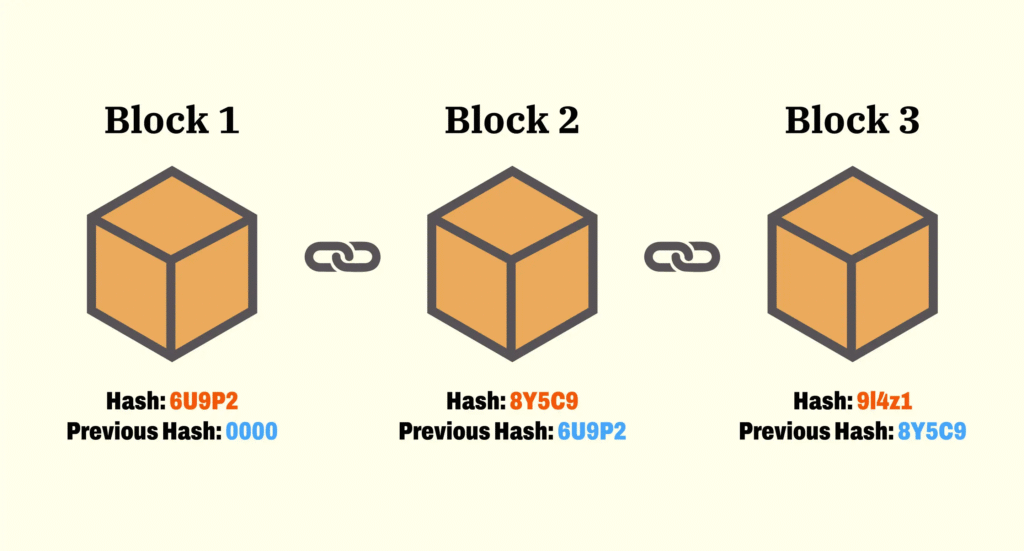
A blockchain is a digital ledger — a kind of database that stores information in “blocks” which are linked together in a chain. Every block contains:
- A list of transactions or data entries
- A timestamp (when it was created)
- A unique cryptographic code called a hash
- The hash of the previous block (connecting it to the chain)
This design ensures that once a block is added, it cannot be changed or deleted without affecting all other blocks — making the system tamper-resistant.
⚙️ How Blockchain Works Step by Step
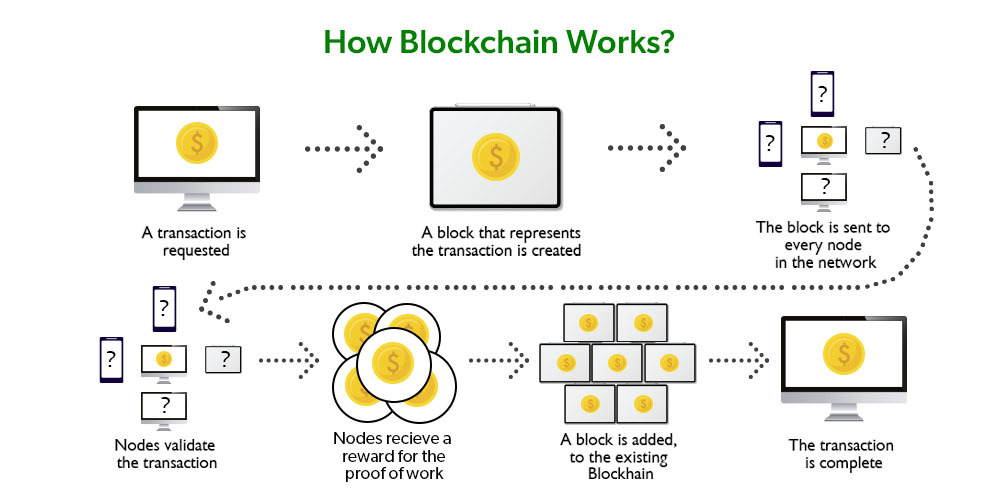
1️⃣ Transaction Creation
A blockchain begins with a user requesting a transaction — for example, sending cryptocurrency to another person. The transaction contains details like the sender, receiver, amount, and a digital signature for security.
2️⃣ Transaction Broadcasting
Once created, the transaction is shared across a network of computers (called nodes) connected to the blockchain. Each node holds a copy of the entire blockchain.
3️⃣ Verification (Consensus Mechanism)
Before a transaction can be added, the network must agree that it’s valid.
This is done through consensus algorithms, such as:
- Proof of Work (PoW): Computers solve complex puzzles to verify transactions (used by Bitcoin).
- Proof of Stake (PoS): Validators are chosen based on how much cryptocurrency they hold and “stake” (used by Ethereum and others).
Only verified transactions are accepted, preventing fraud and double-spending.
4️⃣ Block Creation
Once verified, valid transactions are grouped together into a block. Each new block includes the hash (digital fingerprint) of the previous block — linking them together securely.
5️⃣ Adding the Block to the Chain
After verification, the new block is permanently added to the existing blockchain. Every participant’s copy of the blockchain updates automatically to reflect the change.
6️⃣ Immutability and Transparency
Because every block is linked to the one before it, changing a single piece of data would require rewriting the entire chain across all nodes — something that’s nearly impossible.
All users can view the blockchain’s history, which makes it transparent and trustworthy.
🔐 Key Features of Blockchain
| Feature | Description |
|---|---|
| Decentralization | No single authority controls the data — it’s shared across all users. |
| Transparency | All transactions are recorded on a public ledger visible to everyone. |
| Security | Data is protected by cryptography and consensus verification. |
| Immutability | Once data is recorded, it cannot be altered or deleted. |
| Efficiency | Eliminates the need for middlemen (like banks or brokers). |
💡 Real-World Uses of Blockchain
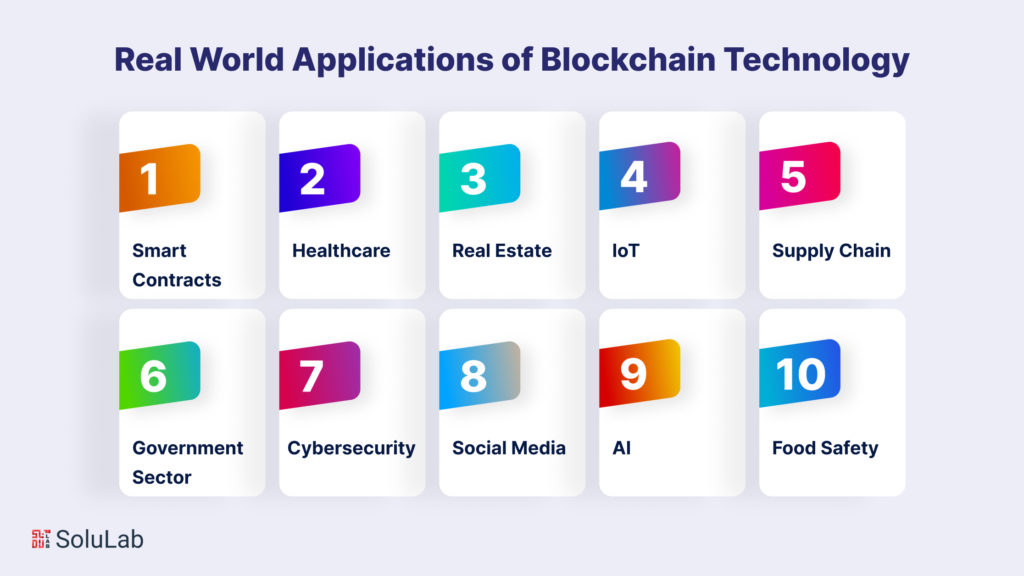
- Cryptocurrencies: Bitcoin, Ethereum, and others use blockchain for secure digital payments.
- Smart Contracts: Self-executing contracts that trigger automatically when conditions are met.
- Supply Chain Tracking: Companies use blockchain to track products from source to delivery.
- Healthcare: For securely sharing patient records between hospitals.
- Voting Systems: To prevent fraud and ensure election transparency.
✅ Conclusion
In simple terms, blockchain works as a decentralized and secure way to record information that cannot be easily changed or hacked. It builds trust between users who don’t know each other, without needing a central authority.
From finance to healthcare and beyond, blockchain is transforming how data and value move around the world — creating a future that’s more transparent, efficient, and secure.