🌍 Introduction
In today’s fast-paced digital world, communication technology is constantly evolving. One of the biggest advancements in recent years is 5G, the fifth generation of mobile network technology. The term “5G expansion” refers to the global rollout and growth of 5G networks — bringing faster internet, improved connectivity, and new possibilities for industries and everyday users alike. What Is 5G Expansion?
⚙️ What Is 5G?
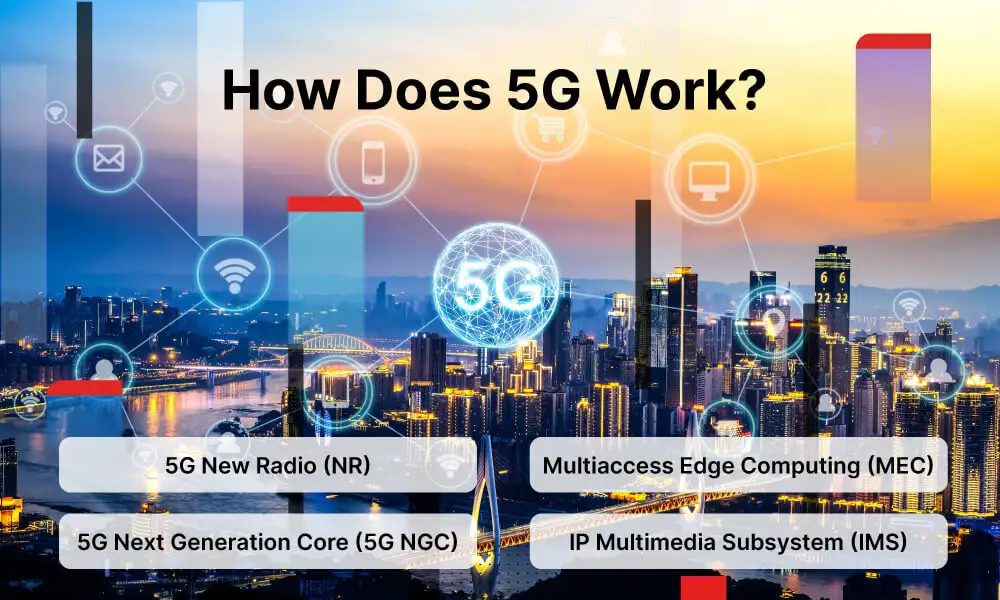
5G stands for Fifth Generation of wireless communication technology. It follows earlier generations — 1G, 2G, 3G, and 4G — each improving the speed and quality of communication.
While 4G made mobile internet and streaming possible, What Is 5G Expansion? 5G takes connectivity to a whole new level by offering:
- Ultra-fast speeds (up to 100 times faster than 4G)
- Low latency (near-instant response time)
- Massive device connectivity (supporting billions of devices at once)
🚀 What Is 5G Expansion?
5G expansion refers to the widespread deployment and development of 5G networks across the world. It means building more 5G towers, upgrading infrastructure, and making 5G technology accessible to more people, cities, and industries.
This expansion is happening in stages:
- Initial Launch: Major cities in developed countries like the U.S., South Korea, and China introduced 5G networks around 2019–2020.
- Nationwide Rollout: Telecom companies are expanding coverage to suburban and rural areas.
- Global Growth: Developing nations are now investing in 5G to improve their communication systems and digital economies.
💡 Benefits of 5G Expansion
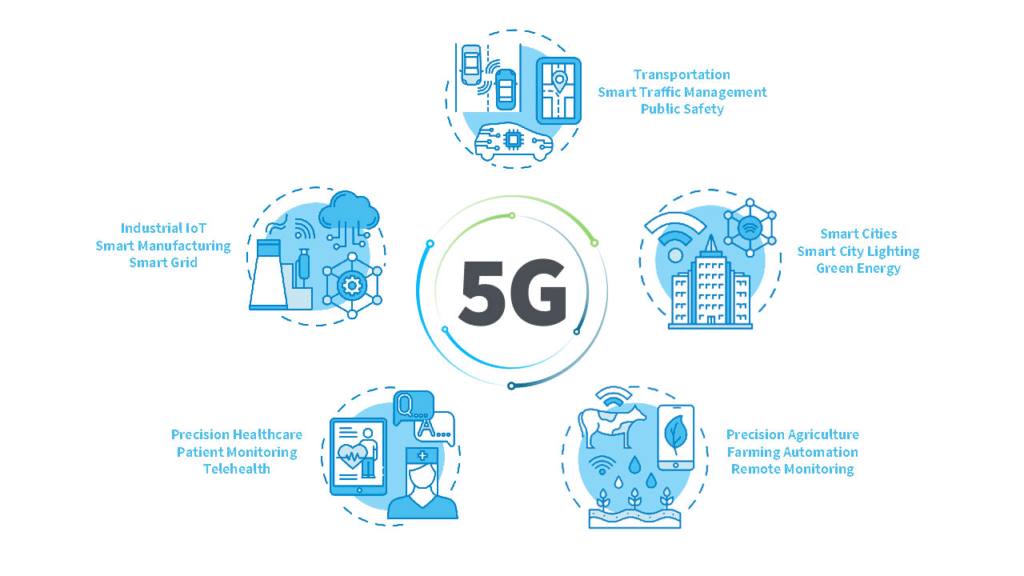
The global 5G rollout brings several life-changing benefits:
- Faster Internet Speeds: Users can download movies, apps, and files in seconds.
- Improved Communication: High-quality video calls and real-time collaboration become smoother.
- Smart Cities: 5G supports Internet of Things (IoT) devices such as smart traffic systems, surveillance, and environmental sensors.
- Healthcare Innovation: Enables remote surgeries and faster data sharing between hospitals.
- Business Growth: Supports automation, cloud computing, and artificial intelligence.
- Entertainment: Enhances online gaming, streaming, and virtual reality experiences.
⚠️ Challenges of 5G Expansion
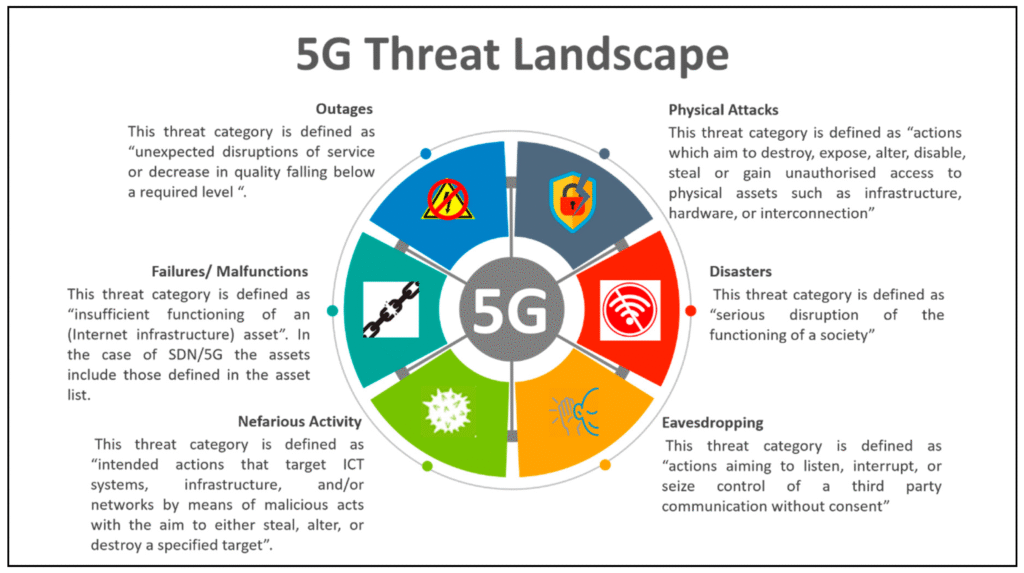
What Is 5G Expansion? Despite its benefits, 5G expansion faces several challenges:
- High Cost: Building new infrastructure and towers is expensive.
- Spectrum Availability: Governments must allocate frequency bands efficiently.
- Security Concerns: More connected devices mean higher cyber risks.
- Unequal Access: Rural and poor regions may take longer to get 5G coverage.
However, as technology advances and competition increases, these challenges are being addressed gradually.
🌐 Global Progress
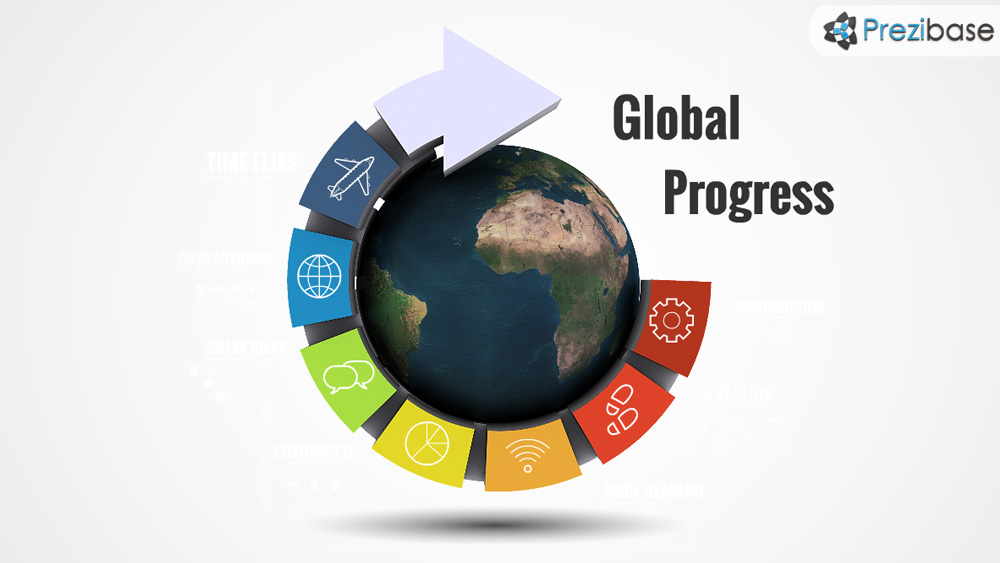
Countries like China, the United States, South Korea, and Japan lead in 5G adoption. In Africa and parts of Asia, 5G rollout is growing quickly through international partnerships and government initiatives.
By 2030, experts expect nearly 80% of the world’s population to have access to 5G networks — transforming communication, education, healthcare, and transportation worldwide.
✅ Conclusion
In summary, 5G expansion is the global process of spreading and upgrading mobile networks to the latest fifth-generation technology. It promises faster connections, smarter cities, and a more connected world.
Although challenges like cost and accessibility remain, the future of communication clearly belongs to 5G — a technology that will shape the way humans and machines interact for decades to come.